ग्रन्थAn AI companion for Sanskrit texts

Read the Vedas.Understand what you read.

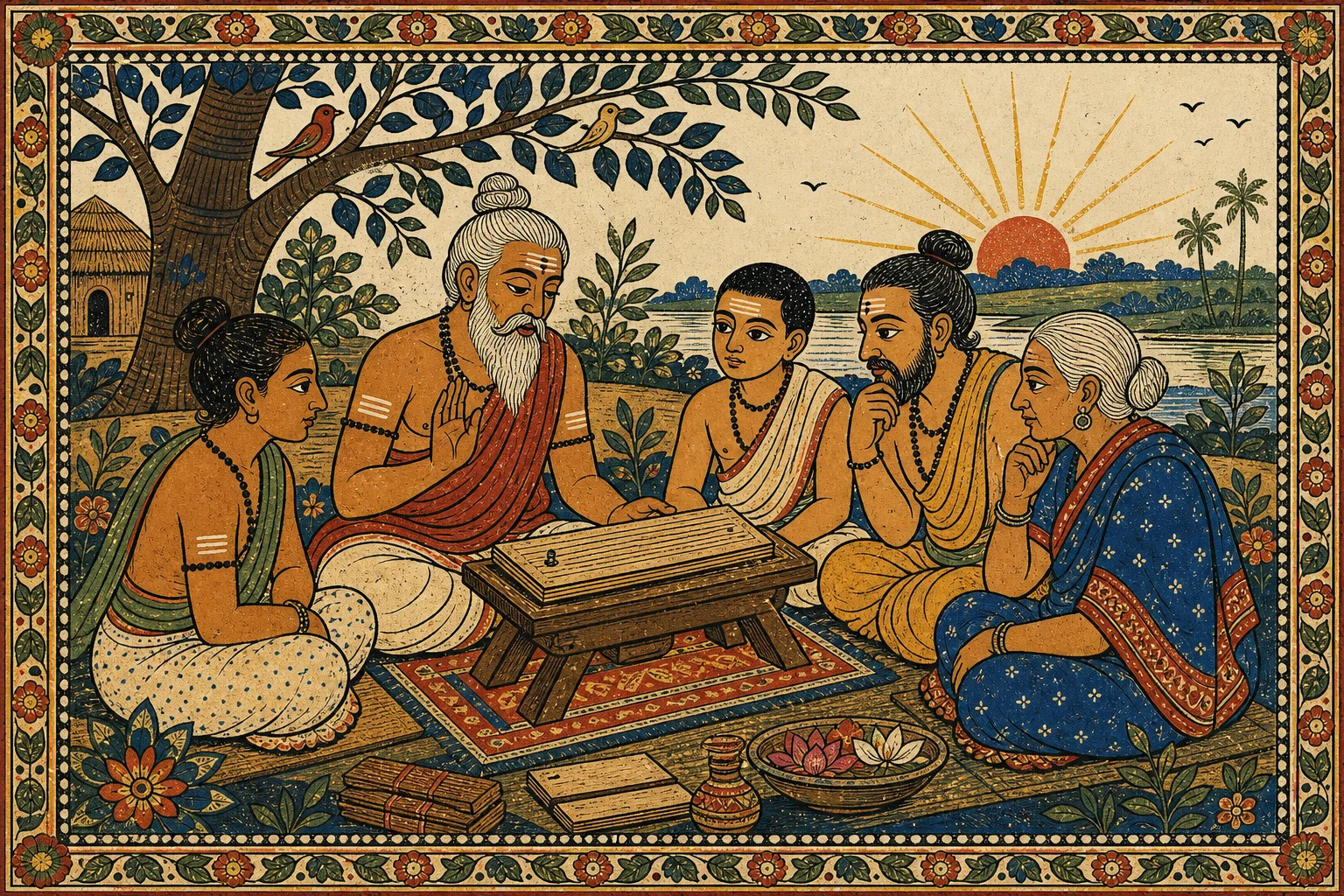
An editorial illustration of a multigenerational study circle following a palm-leaf manuscript during recitation.
Living textRecitation, attention, and the manuscript held in common.

granth.ai brings the original text and AI guidance into one reading space, making the Vedas, Upaniṣads, and older Sanskrit works easier to enter.

Open Ṛgveda 1.1.1

No account required for this sample

पाठWorking reader

One mantra. One unfolding sentence.

Move through it word by word. The same scene accumulates as Agni’s roles come into focus.

Edition checked · Vedic Heritage Portal

Ṛgveda 01 001

Text size

Maṇḍala 1 · Sūkta 1 · Mantra 1

One sentence of praise

Gāyatrī metre

अ॒ग्निमी॑ळे पु॒रोहि॑तं य॒ज्ञस्य॑ दे॒वमृ॒त्विज॑म्। होता॑रं रत्न॒धात॑मम्॥१॥

1.1.1

Vedic accents shown · follow the words below

Follow the mantra

One Agni, described across eight linked words.
Word 1 of 8

Mantra so far

अग्निम्

Reading so far

Agni—

Word 1 of 8: agnim. Agni; fire.
Ṛgveda · Śākala Saṃhitā · 1.1.1

Prototype analysis · editorial review in progress

समझोReading method

Understanding, layer by layer.

Begin with the original passage, open only the help you need, and go deeper at your own pace.

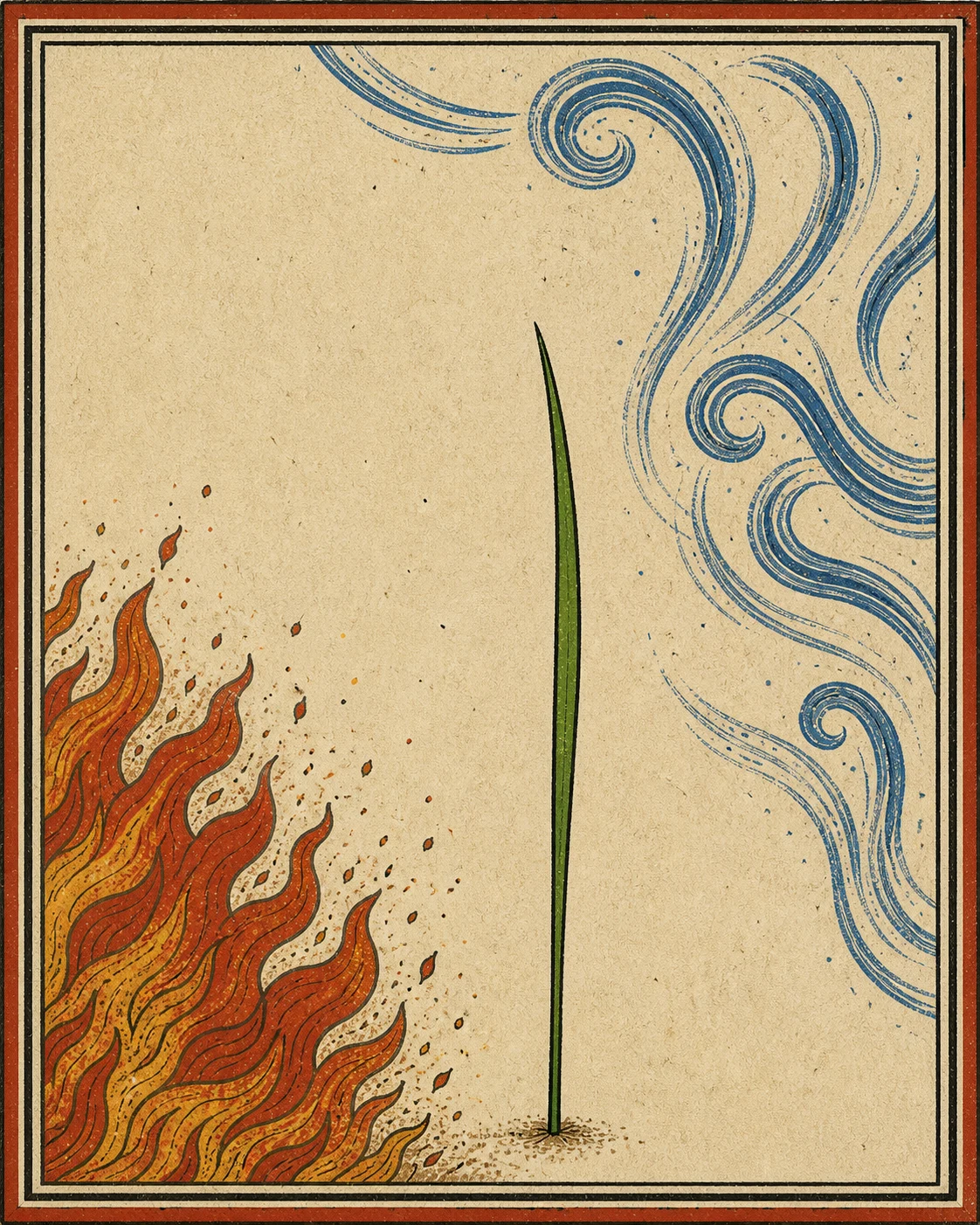
A single blade of grass standing unmoved between fire and wind.
Kena Upaniṣad 3.6–3.10 · Fire and wind meet their limit.
01

Text

Start with the Sanskrit.

Read accented Devanagari as the primary text, or switch to a clear IAST line without losing the canonical location.

Devanagari · IAST · adjustable type
02

Language

Understand the word in context.

Open a form to see its transliteration, lemma, grammar, and contextual gloss while the whole mantra stays visible.

Pada · lemma · morphology · gloss
03

Interpretation

Compare attributed readings.

AI helps surface differences between named translations and commentaries without blending them into one anonymous answer.

Translator · edition · tradition · note
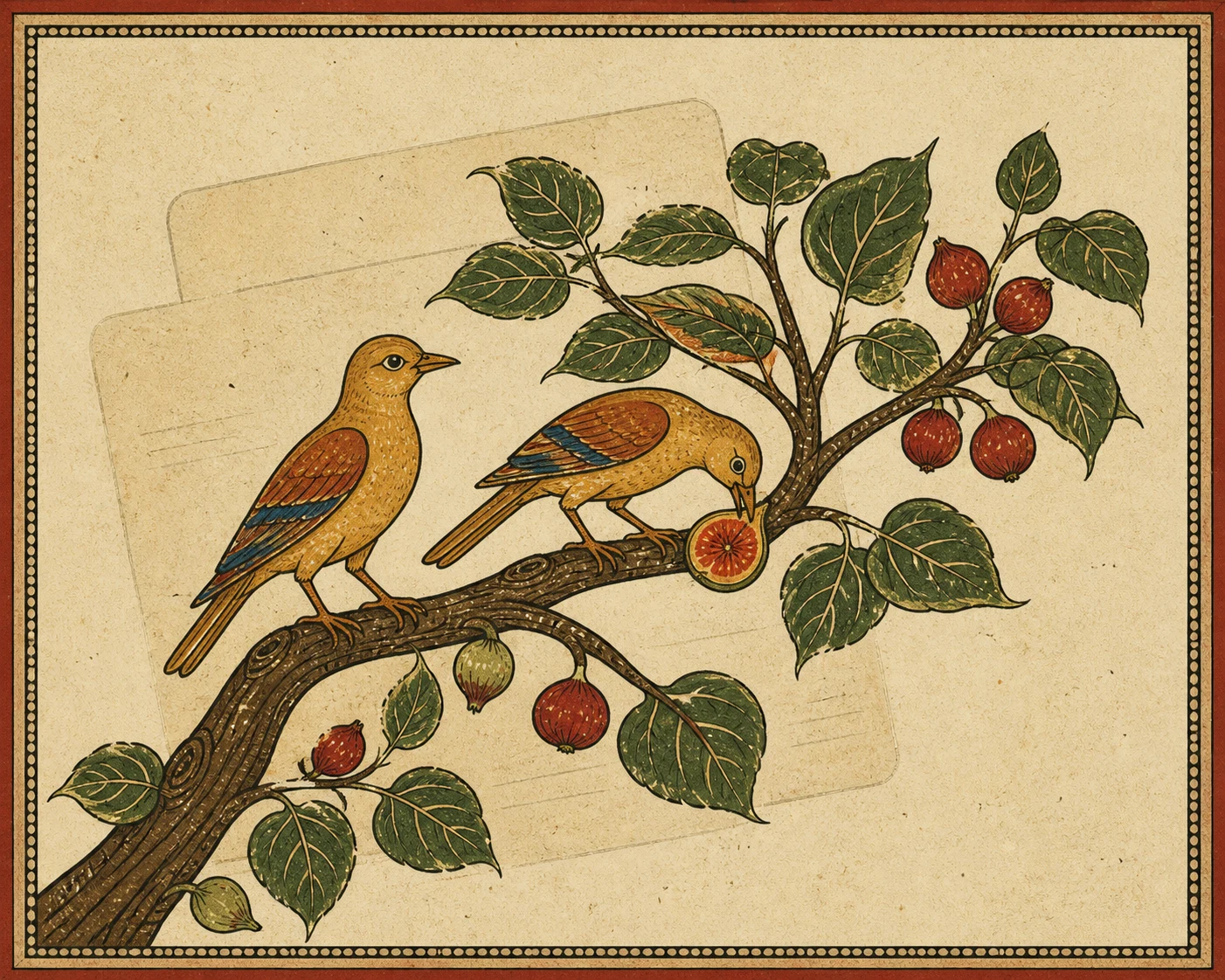
Two birds on the same fig branch: one eating, one watching, with folios faintly behind them.
Ṛgveda 1.164.20 · Muṇḍaka Upaniṣad 3.1.1One image, transmitted through distinct textual witnesses.
स्रोतProvenance

Every reading path returns to a source.

A word meaning is not self-evident. A translation is not anonymous. A recording is not ambience. granth keeps the record of each one attached to the passage.

Primary text
Editorial material, never generated copy.
Interpretations
Named, attributed, and kept separable.
Assistance
AI explanations are labelled, cited, and open to correction.
Inspect the sample's primary record
संग्रहEditorial roadmap

A careful library, text by text.

The collection grows only when a passage has a clear edition, a source record, and reading layers that can withstand scrutiny.

No.WorkTextual contextAvailability
01

Ṛgveda Saṃhitā

Śākala śākhā · Saṃhitā-pāṭha

Reader sample open

02

Īśā Upaniṣad

Śukla Yajurveda · Vājasaneyi tradition

Editorial roadmap

03

Kena Upaniṣad

Sāmaveda · Talavakāra tradition

Editorial roadmap

आरम्भNotes from the desk

Before you begin.

Do I need to read Devanagari?

No. Begin in IAST and switch scripts whenever it helps. The locator, word selection, and reading notes stay aligned.

Is granth a translation?

No. It is an AI companion for understanding a text while keeping primary text, language analysis, translations, commentaries, and source records visibly distinct.

Private beta · editorial intake

Help make older Sanskrit texts easier to enter.

Tell us what you read, what you would ask the AI, where explanation breaks down, and which editions, translations, or teaching traditions matter to you.

Write to hello@granth.ai Opens your email client. No form or tracking script.